I was recently invited to give a presentation on the inspiration, challenges and highlights of establishing Printopia Festival, an annual event in Tāmaki Makaurau that celebrates contemporary printmaking in Aotearoa, bringing together the printmaking community from across the country and the Asia-Pacific to share skills, knowledge and inspiration through artist talks, demos, workshops, exhibitions, performances and a Print Fair.
The ethos of the Festival can be traced back to my early childhood experiences, education and personal journey as an artist. My earliest inspiration for a creative life came from growing up in a small, rural, tight-knit community in the Far North called Fern Flat where the values of resourcefulness, community and creativity were demonstrated to me from an early age. Everyone in the valley embraced creativity as a seemingly natural way of being. There were potters, weavers, woodworkers, painters, musicians and poets, and everyone lived in a house designed and built themselves with the help of neighbours and friends.
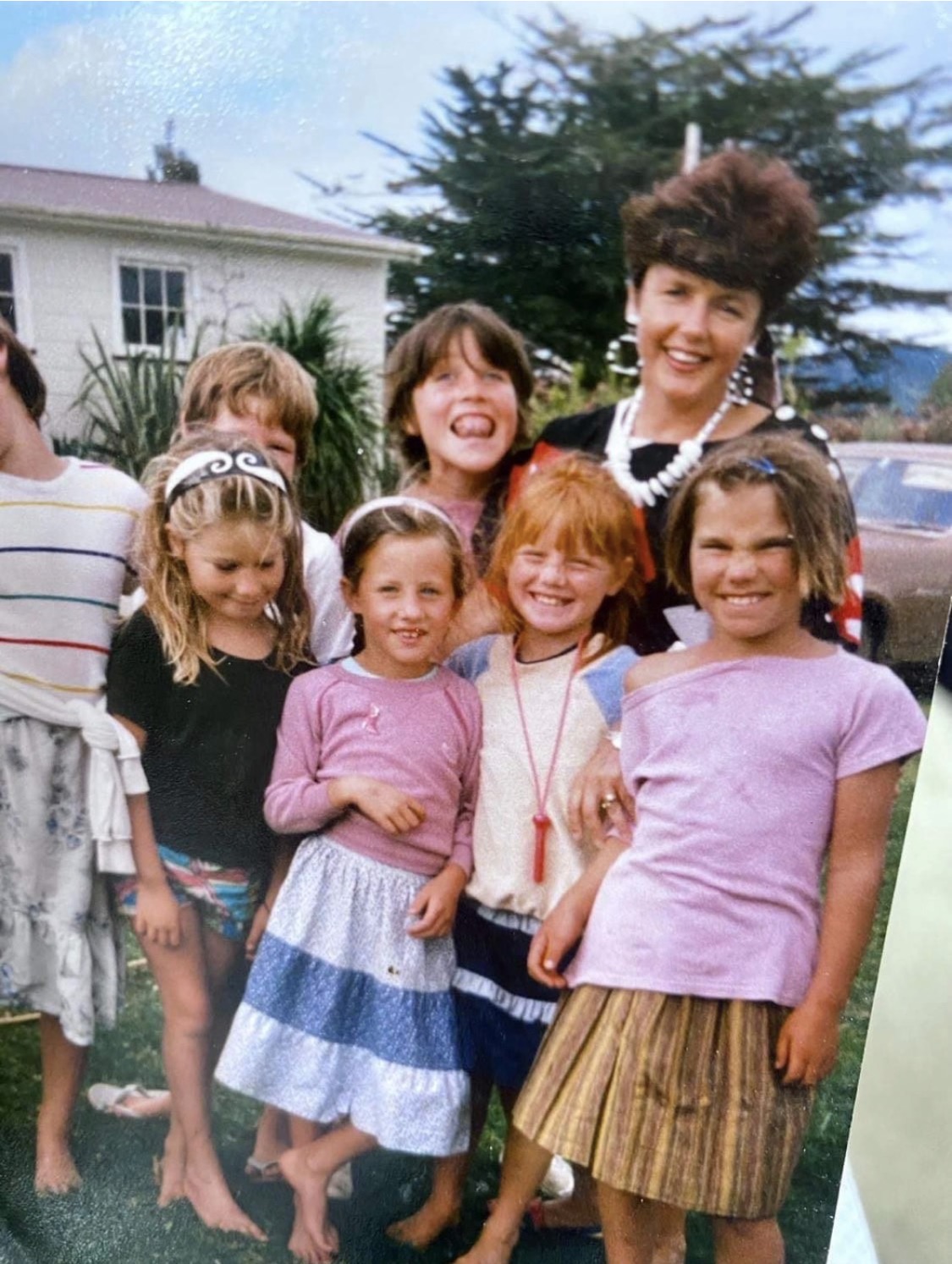
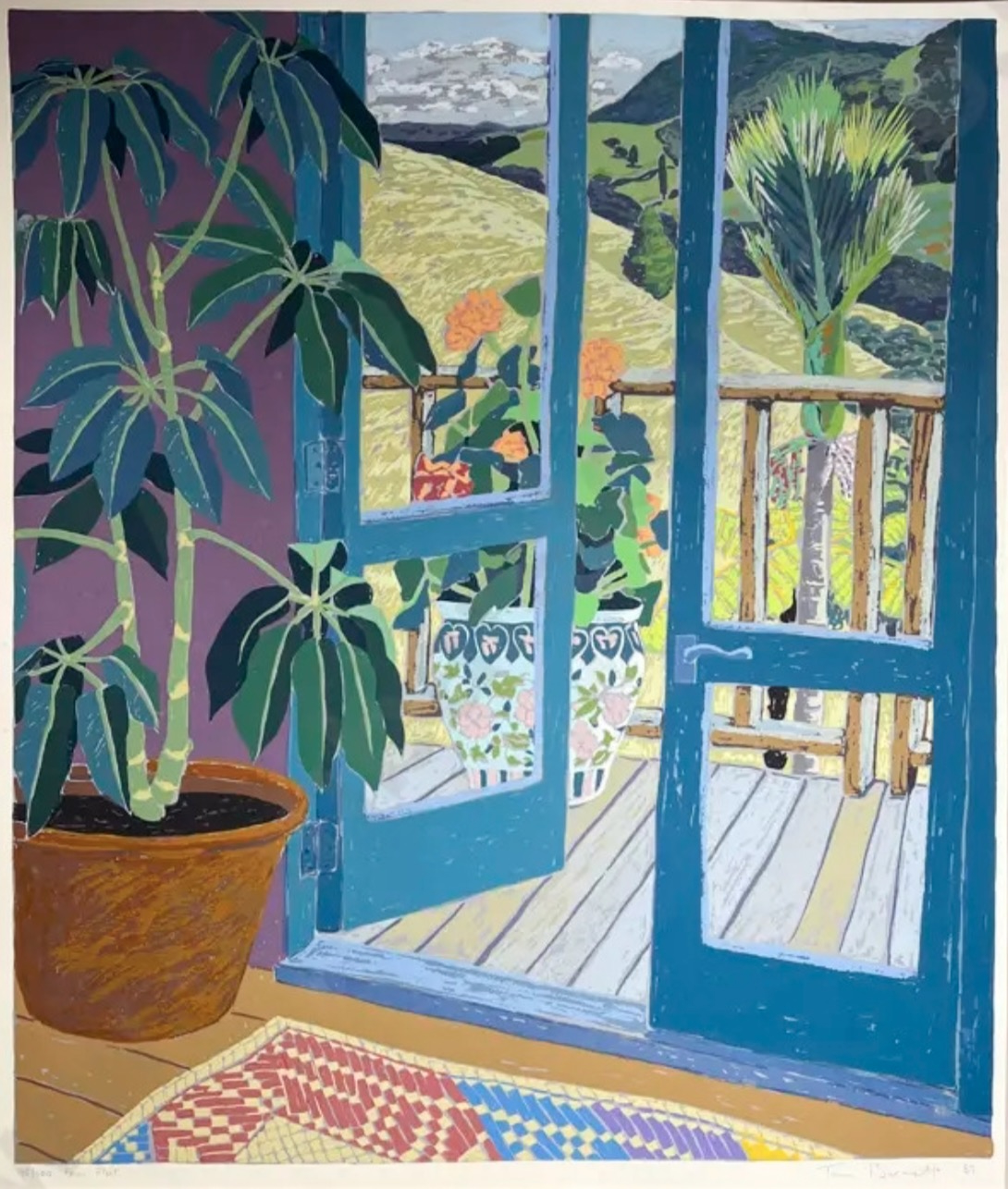
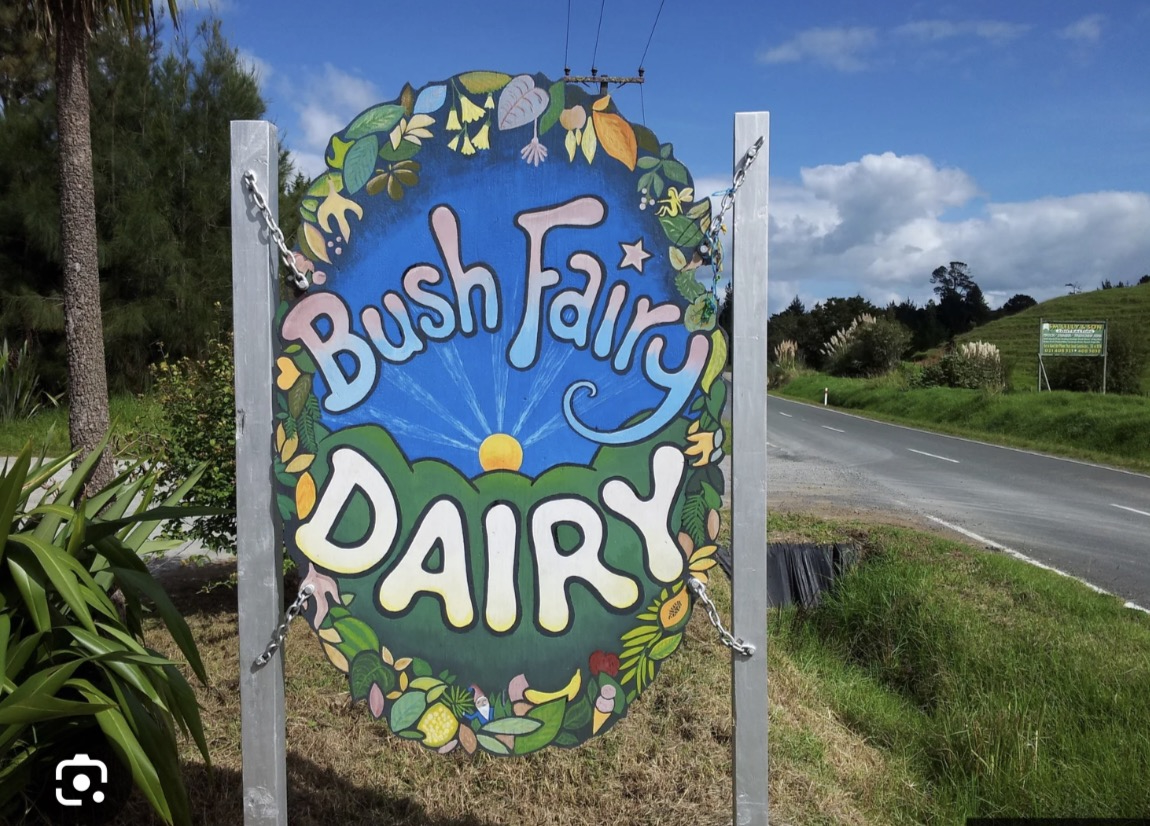
I was lucky enough to attend Peria Primary school, which in the late eighties followed an education curriculum where all subjects were taught using a diverse creative programme of arts and crafts. One of my earliest memories was arriving at school one morning and instructed to go outside and smell autumn and then come back and write a Haiku poem about it. We studied Religions of the World with Mr. Nash and sang political protest songs by the Peria Peace Group. Admittedly, we left Peria not being able to spell or do math, but we were community-minded, creative problem solvers who knew how to stand up for what we believed in.
I was introduced to printmaking in my fourth form art class at Taipa Area School, where we were taught several techniques, but it was woodblock printing that drew me in. I was instantly addicted to the crunch of the chisel as it pierced and glided through the wood. It was my gateway drug to the world of print. It calmed my over-anxious, fretful, fourteen-year-old mind, carving repetitive patterns into large MDF blocks. Using blunt lino cutting tools, provided by the school, required even more concentration navigating the blade so as not to slip and cut myself.
I loved that these blocks could be printed repeatedly, in different colours, on different papers, onto fabric, sewn, worn and gifted to friends and family. I was mesmerised by the multiple, completely hooked on the process, first creating the block, known as the matrix which then gives birth to many iterations and variations depending on ink, pressure, and substrate.
From the age of fifteen I wanted to be a cultural anthropologist, an obsession I can credit to our extensive collection of national geographic magazines. I dreamed of traveling to remote places to learn about new ways of seeing and being in the world. At seventeen I went to the University of Auckland completing a Bachelor’s degree in Cultural Anthropology with a minor in Art History.
Shortly after I set off to travel the world. My first stop was California to visit my maternal family for three months, which turned into three years as I found myself volunteering for and later being employed by a nonprofit organisation that ran a free street festival celebrating Afro-Caribbean music and culture. Attracting over 200,000 visitors in two days, it had started in a car park out the back of a local night club in downtown Mountain View. The founder, Jetin Grewal, began the festival because at that time there was event like it in the South Bay and she saw it as an important way to bring together the community that was scattered across the region. She believed art and culture were powerful tools to break down barriers between people and over the years she saw how the festival had increased the cultural diversity of the city.
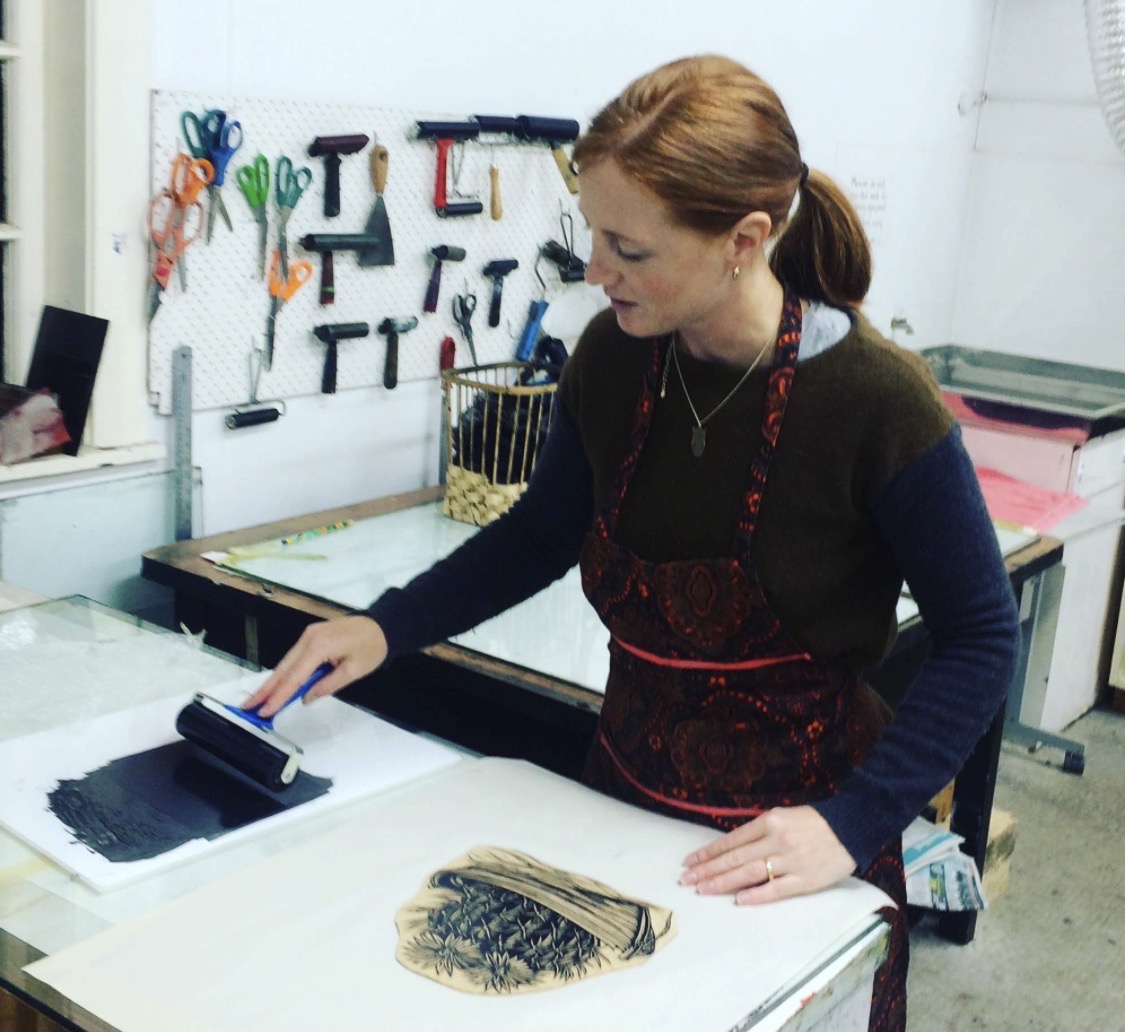
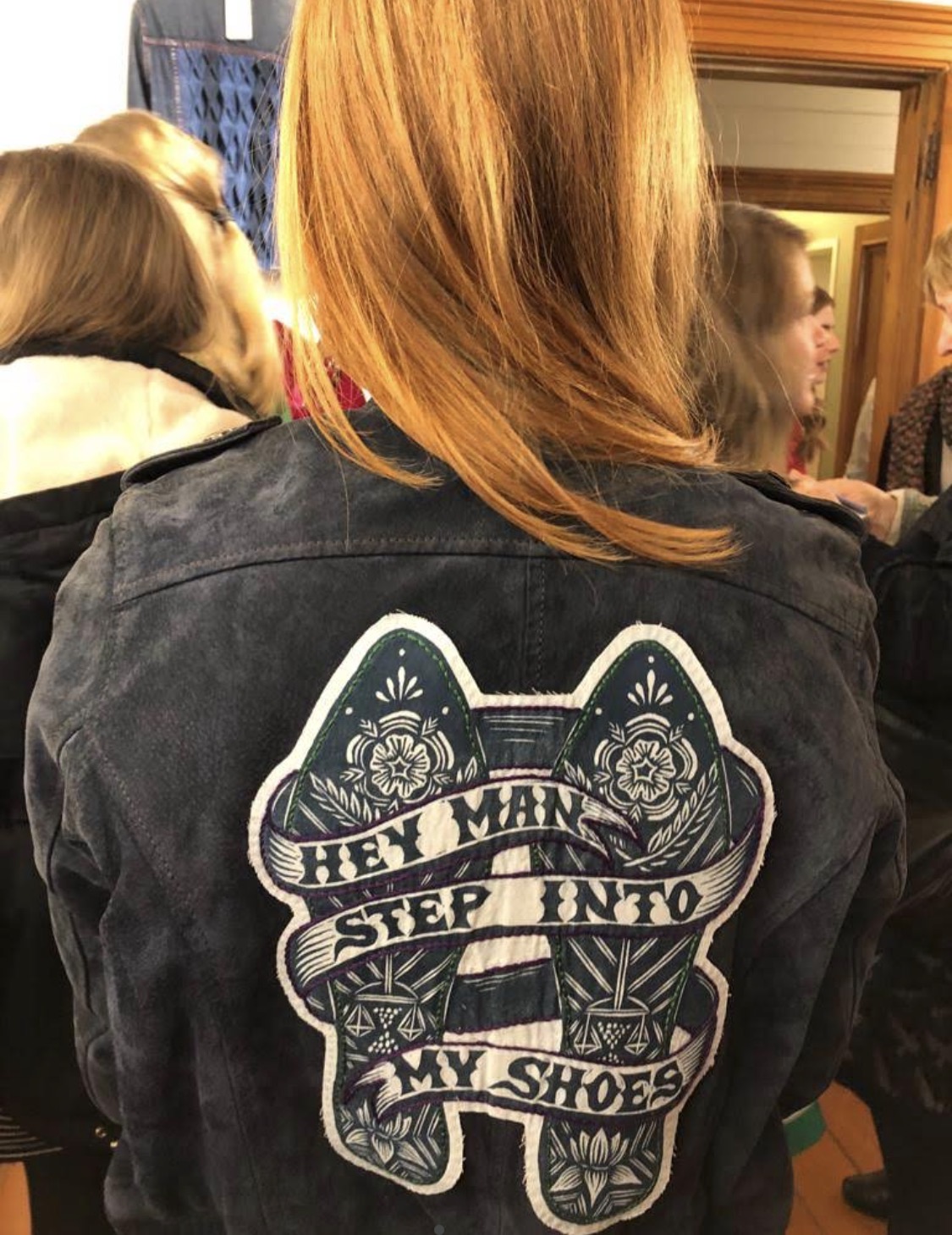
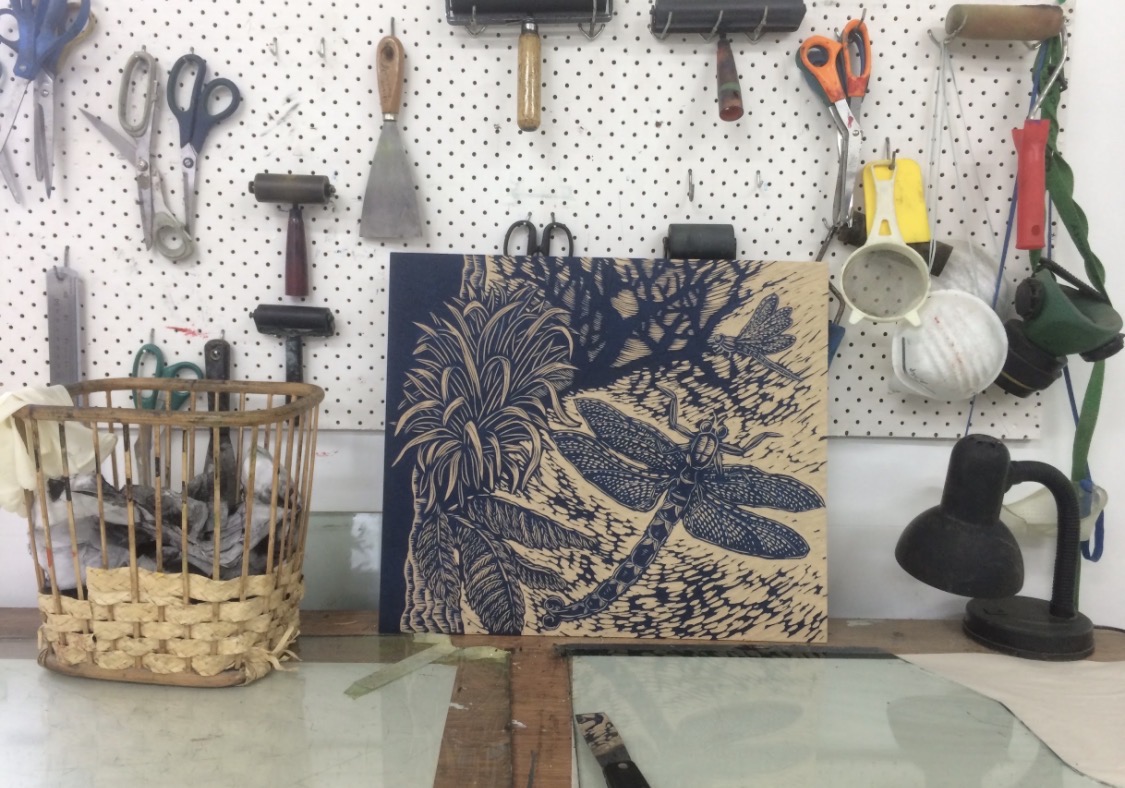
In 2015 I had the opportunity to attend a workshop with Michel Tuffery, an artist whose woodblock prints provided endless inspiration for me at high school. Michel is not only a talented artist, but an incredible educator. In that three-hour workshop I learned more from him about carving and teaching than I had in my whole three years at high school.
This experience prompted me to reach out to the local printmaking community which guided me to join a local print studio, where I was invited to participate in group exhibitions and attend workshops and talks by visiting printmakers. In 2017 I had my first solo show which created further opportunities to exhibit and teach woodblock printing classes.
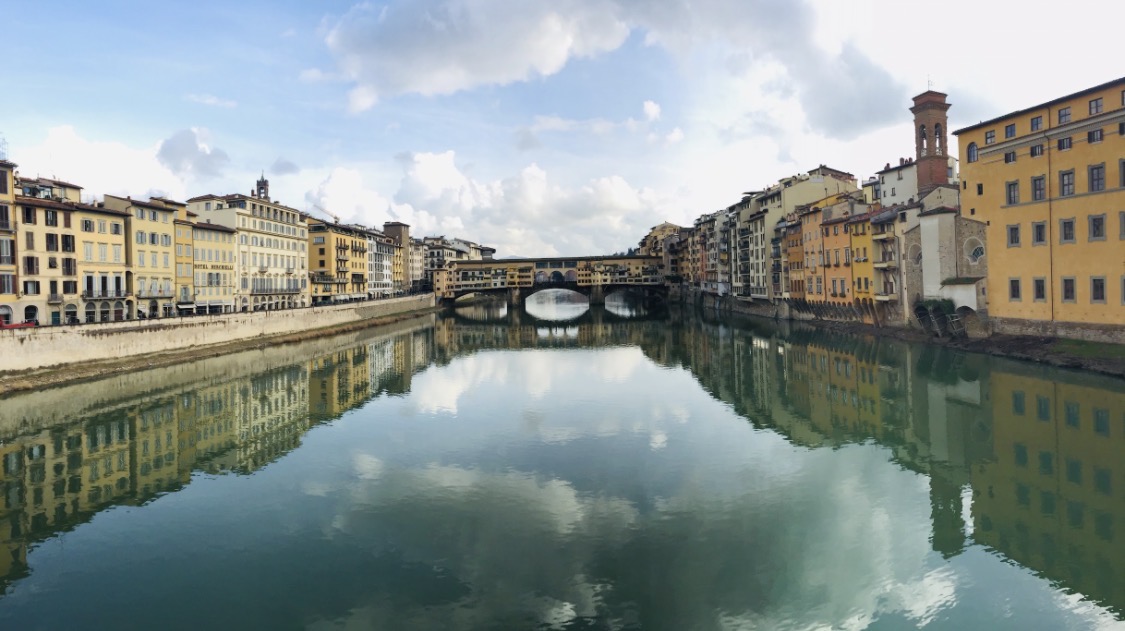
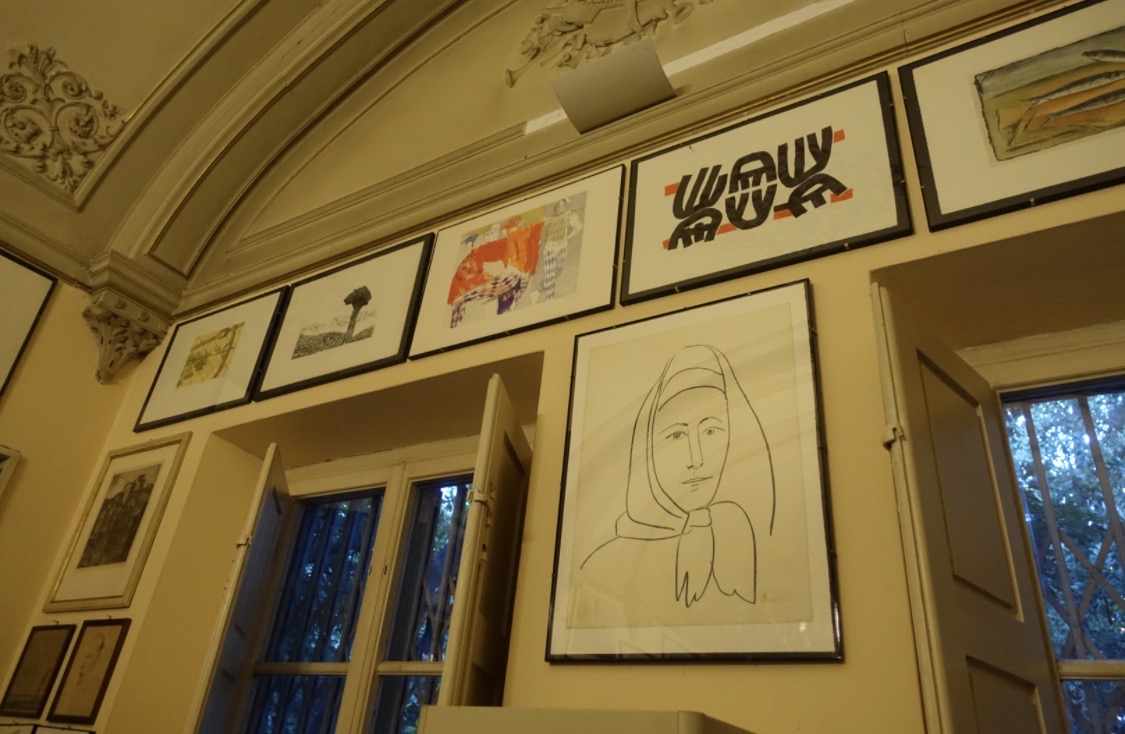
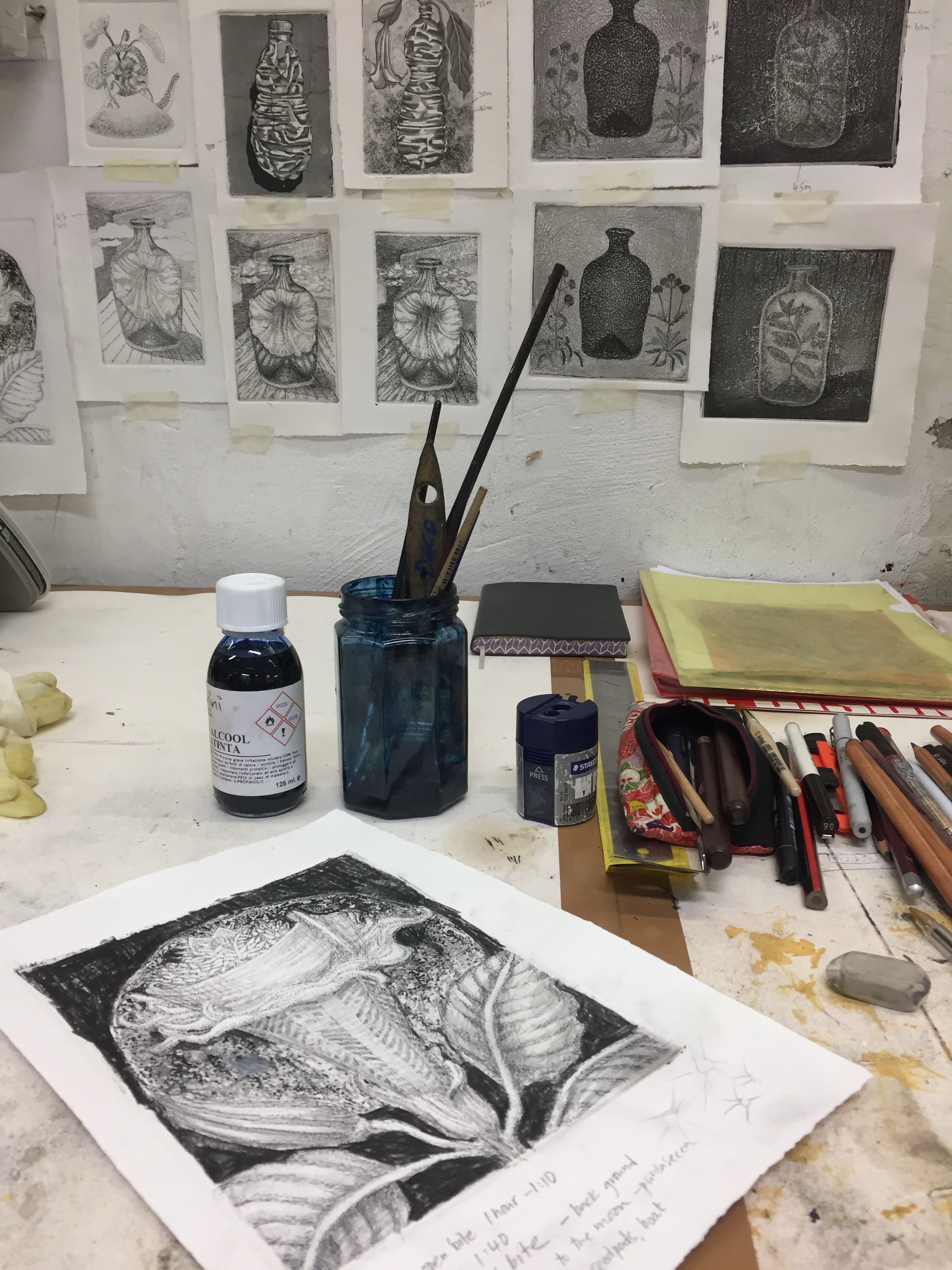
Still having the urge to live in faraway places, I moved to Sicily in 2018 and despite it being the most magical time of sparkling coastlines, medieval castles, vibrant nightlife and mouth-watering pasta, something was missing and that was a print community. So, in 2019 I packed up and moved to Florence where I enrolled in a full-time master’s programme at Il Bisonte Foundation for Art and Printmaking. The school was established in 1959 by Maria Guaita who had learned lithography in Edinburgh and set up a successful commercial enterprise purchasing 200 stones, 3 presses and hiring 2 technicians who had been trained to use the equipment to make maps in WWII. In the library was a lithograph by Picasso printed at Il Bisonte and sold to raise funds to free Spain’s political prisoners under the Franco Dictatorship.
The legacy of this place was thrilling and daunting and I would literally run to the studio every day to maximise every second of learning. In the mornings we received technical instruction on how to prepare zinc and copper plates which involved hours of filing, scrapping and polishing before applying a hard or soft ground, immersing the plate in acid sometimes several times, followed by a meticulous process of applying and wiping away the ink, dampening the paper and putting it through the press.
The process was laborious but addictive and the results deeply satisfying and somehow even mystical in how the image would slowly appear by what seemed an absolute miracle. I learned traditional methods for intaglio drypoint, etching, mezzotint, sugar lift, spit bite, to name a few.
What I enjoyed even more than the technical instruction were our Friday morning sessions in the Il Bisonte archives where the school directors and visiting artists would present a selection of prints created by Italian and International artists that demonstrated the level of technical excellence, range of innovation and experimentation that we could aspire to. All this was contextualised in a fascinating, detailed history of printmaking in Europe and about this history’s place in modern art.
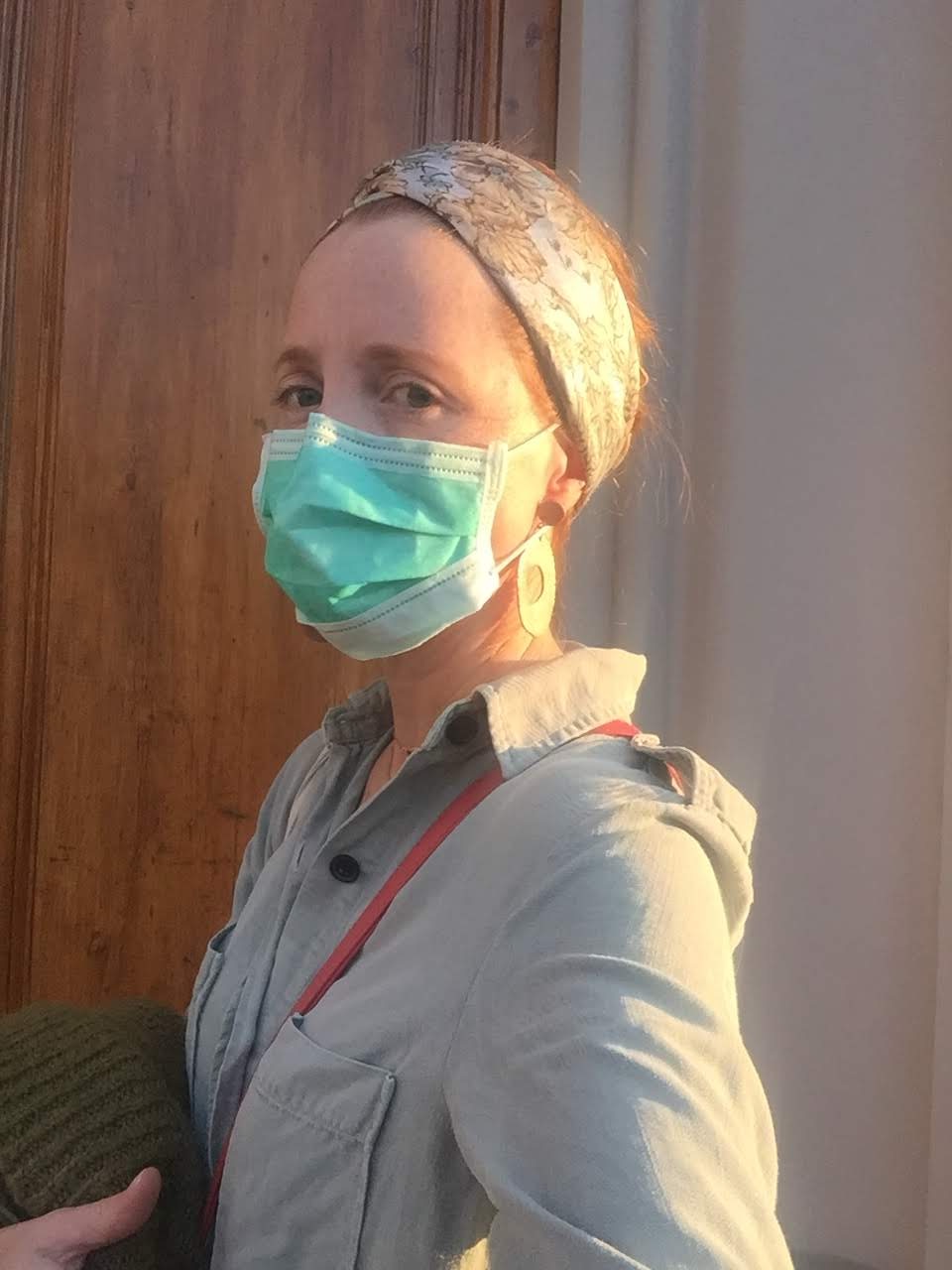
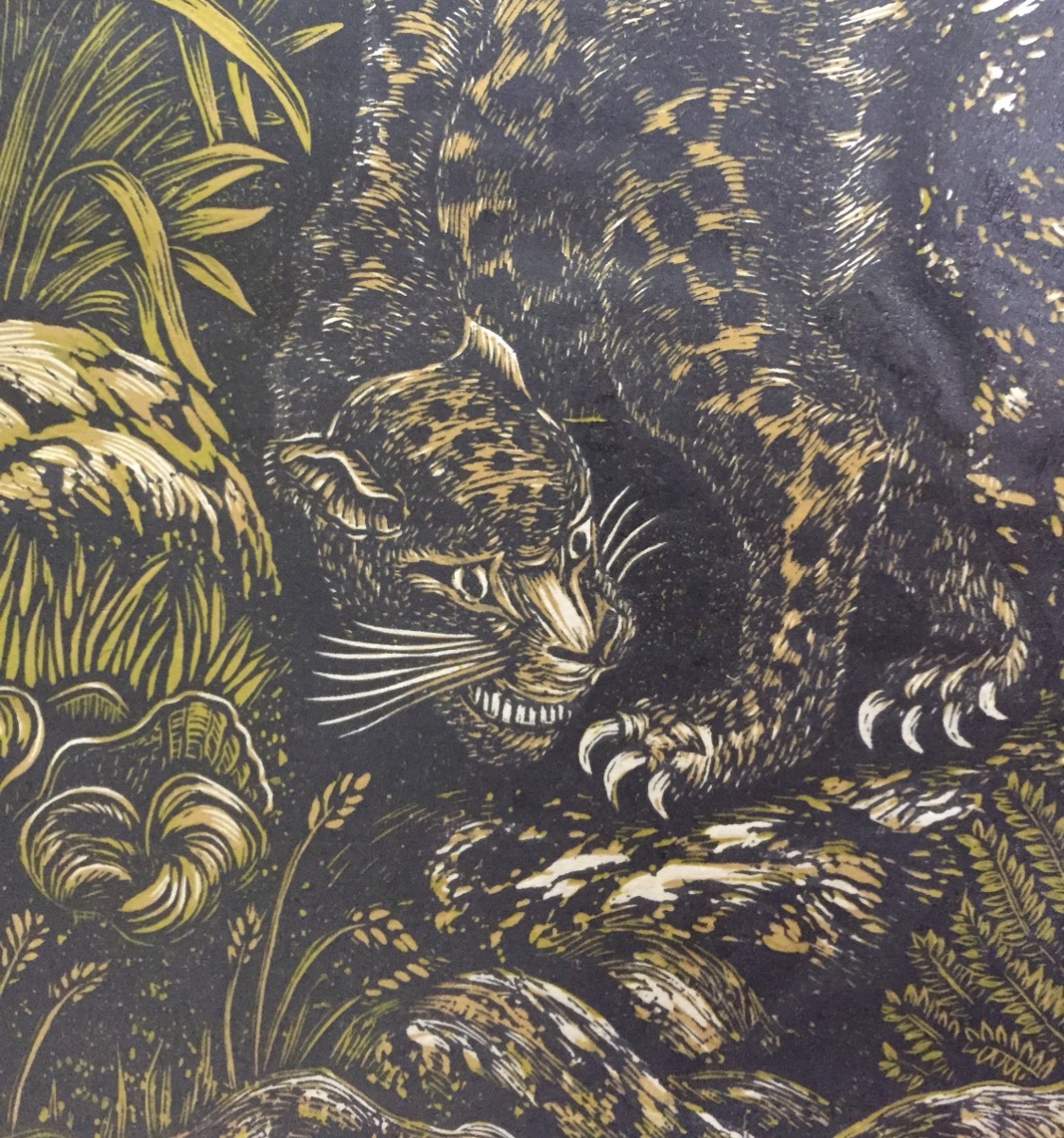
By March 2020 Florence was in complete lockdown, and I reluctantly headed back to Aotearoa. Arriving the day before the country went into lockdown, I had no home, no job and so filed my days working on an ambitious multi-block woodcut print about a leopard that had escaped from the Auckland Zoo in 1925, forcing people to lock themselves inside as the creature roamed the city before being found washed up in Karaka Bay at the mouth of the Tāmaki Estuary. This work was made for and selected as a finalist for the Estuary Art Awards in 2021.
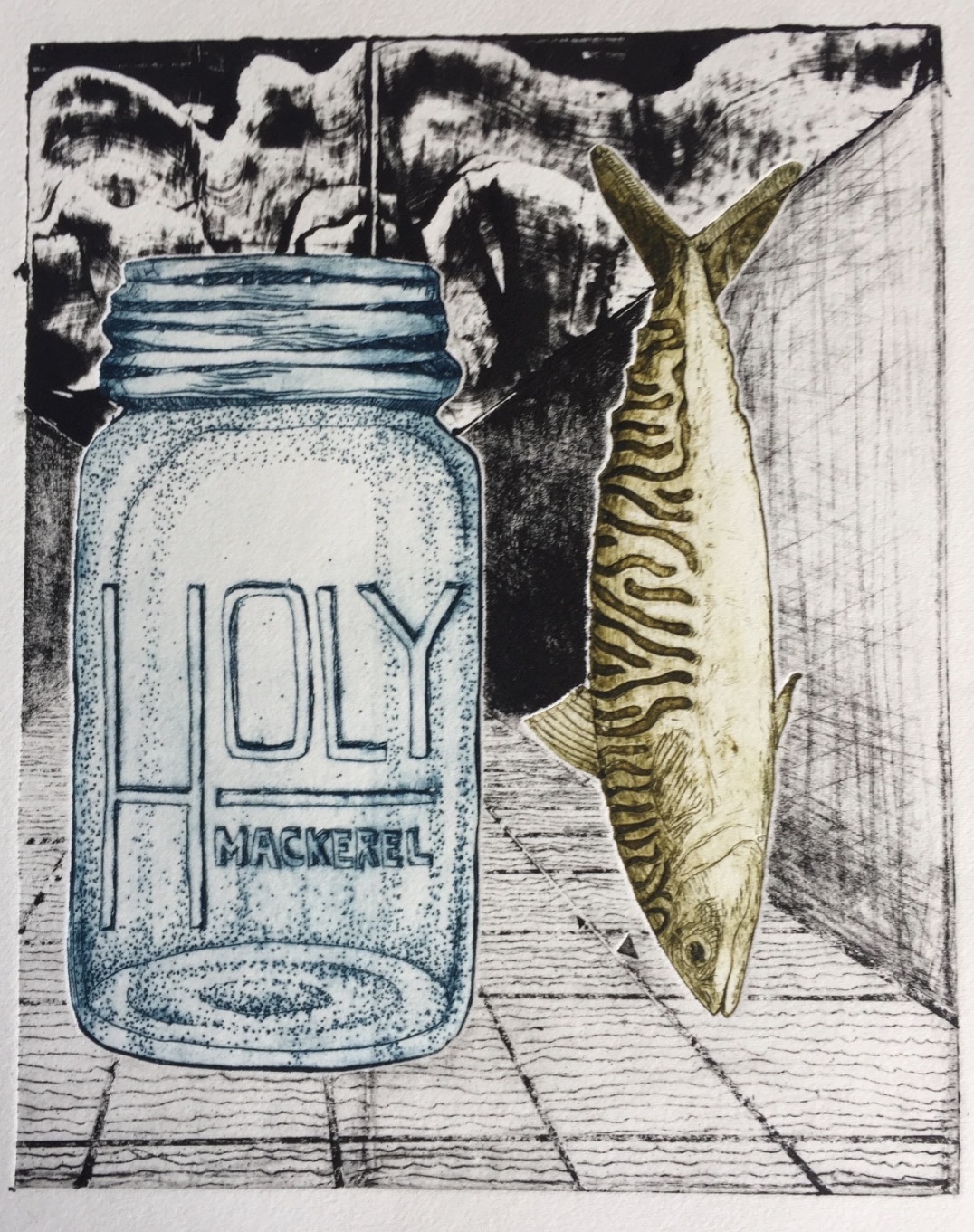
Realising I wasn’t heading back to Florence anytime soon, I found a studio and returned to intaglio printing, applying what I had learned at Il Bisonte to Tetra Pak cartons instead of metal plates, a much more accessible, non-toxic, faster way to achieve crisp lines and velvety tones. Adapting traditional techniques to modern materials and processes is one of the aspects of printmaking that I find so compelling.
It was also in this time of uncertainty, I set myself the challenge of researching, writing and posting on my website interviews with print artists, studios and galleries in Aotearoa. It was a means to continue conversations about the importance of printmaking and as a result I gained an insight into our unique printmaking ecosystem and connected with and was inspired by so many talented artists doing incredible work.
During our long discussions, many talked about the need for increasing opportunities for printmaking to be represented in galleries, museums and art fairs. It’s a common joke among printmakers that printmaking is the ugly stepchild in the art world, one that doesn’t get their fair share of praise. It got me thinking – what I could do to showcase the immense talent and passion of this artistic community? What skills did I have that could bring the print community together to share their ideas, knowledge and work with the public in a fun, vibrant way that would make everyone feel included and celebrated? And most importantly, what could act as a catalyst for our city to become a thriving hub of contemporary printmaking in the Asia-Pacific? The answer was Printopia Festival.
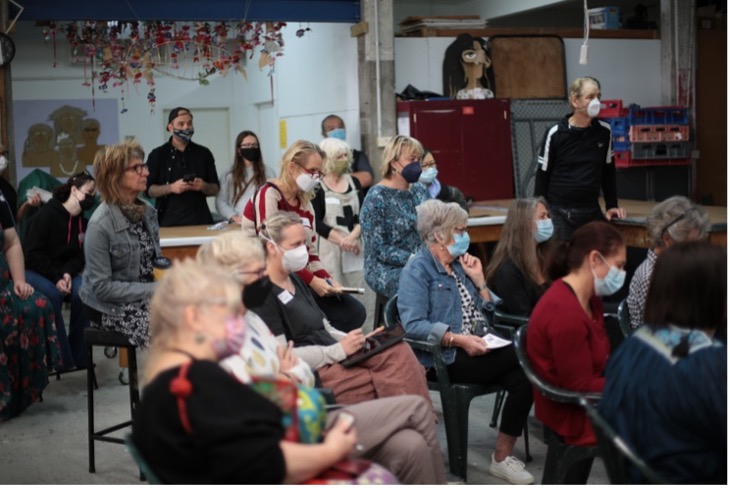
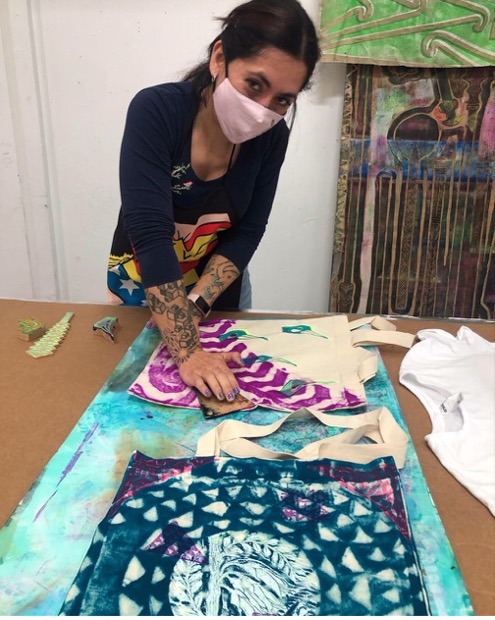
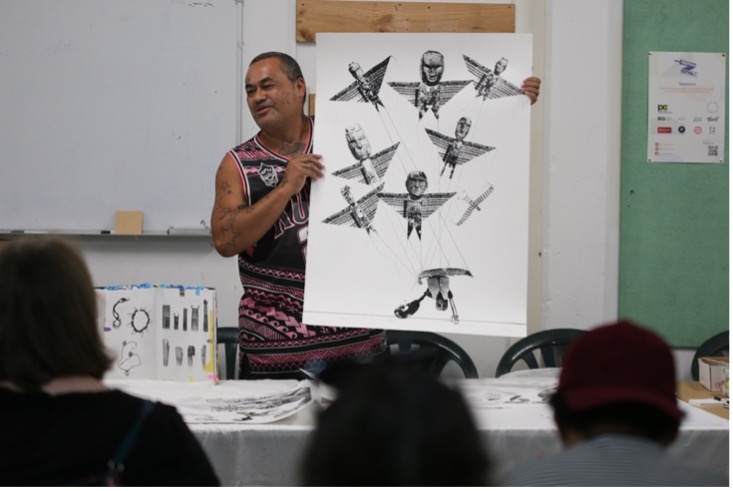
The artists I had met gave their full support offering to give demos, talks, workshops, volunteer, and referred other printmakers, industry experts and sponsors to get involved too. I like to think of Printopia as a collaboration, a genuine grass roots initiative that has grown from, and would never have existed without, these relationships formed from a shared passion for all things print.
In May 2021 I contacted my local arts centre, Studio One Toi Tū, which enthusiastically backed my proposal to host the inaugural event in November 2021. I set about planning and organising, continuing even when the country entered its second lockdown in August. I assumed, like we all did, that it wouldn’t be longer than the last one. But as November rapidly approached it became clear that even if we did get out of lockdown, the social distancing requirements would not make Studio One Toi Tū a viable venue. I had to decide; would I postpone or cancel it all together. I couldn’t do either. I could no longer rely on a future that the pandemic had proven to be so unpredictable, and I couldn’t let down everyone who had already contributed so much time and energy to the project.
Luckily, a third option arose. Corban Estate Arts Centre in Henderson had the space to allow for social distancing requirements that were still in place, and so the first weekend of May, to coincide with International Print Day in May, was chosen as the new launch date. And it was incredible. There was an undeniable excited buzz in the air. Members of the print community had travelled from all over the country to be there and interested locals who had dropped in for a quick look ended up staying all day and lamented to me that they wished they had arrived earlier. Printopia had challenged many visitors’ notions of what print was and could be.
Over the past five years, the festival has grown from 300 visitors to 4,000. However, for me the biggest highlight has been the impact it has had on participants to connect with the medium and with each other. One artist told me how after that first Printopia they had embraced their identity as a printmaker, returning to making prints and teaching workshops. Another artist shared how it inspired them to set up and start a whole screen-printing practice in their garage. Others simply said how they had made lifelong friends from attending. And many say it’s their favourite festival of the year and are loyal followers.
The ability of the festival to inspire the creation of similar events is an incredible achievement. In 2024 Ōtautahi Prints was established by a group of artists who had participated in Printopia the previous year. In 2026 The West Main Print Fest in Northern Georgia was established by Greg Stone who had attended Printopia in 2025, playing with his band À la Poupé & the Chine-Collés on Opening Night. The gig poster he designed was live screen-printed for visitors to take away with them as a souvenir on the night.
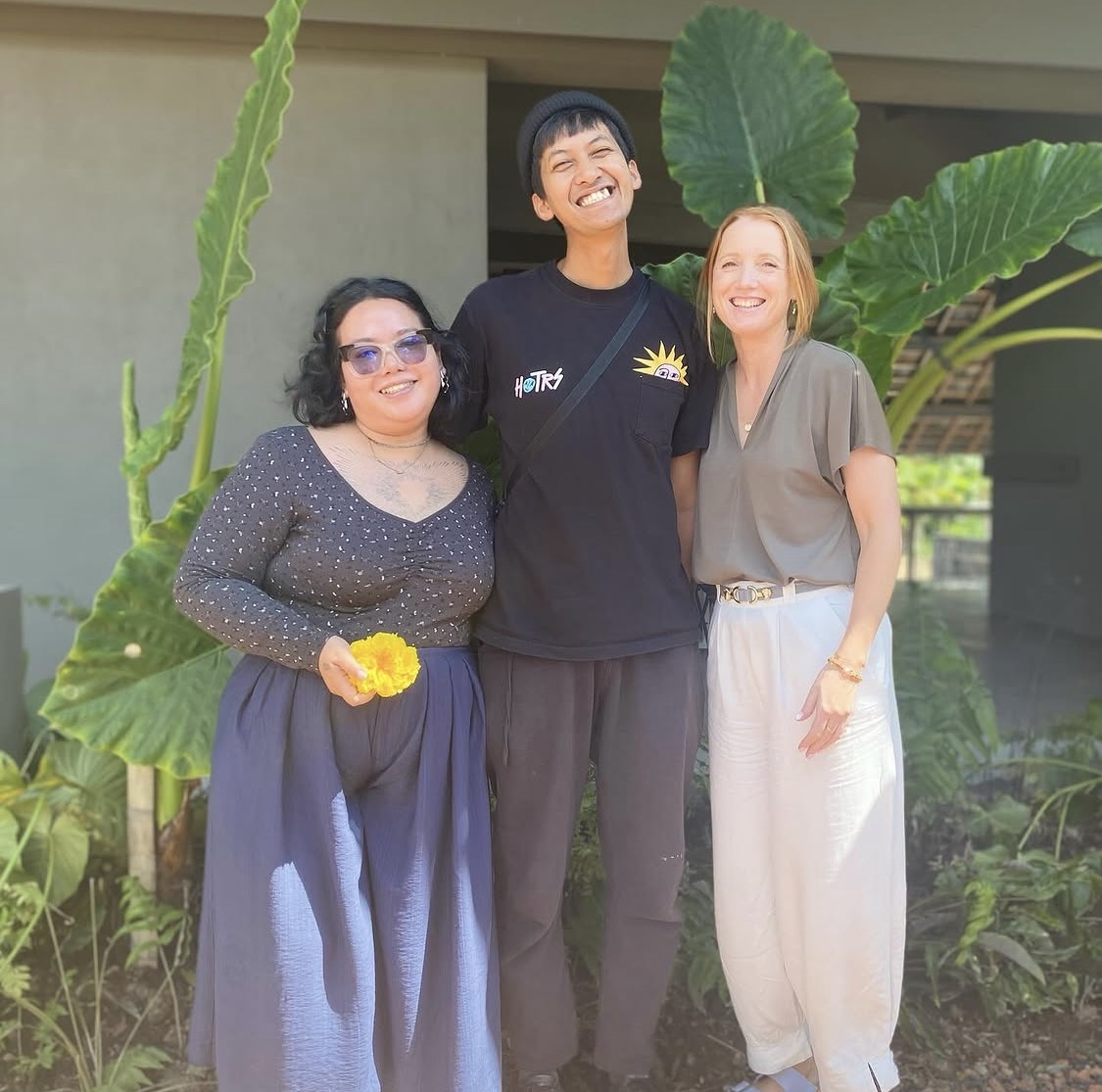
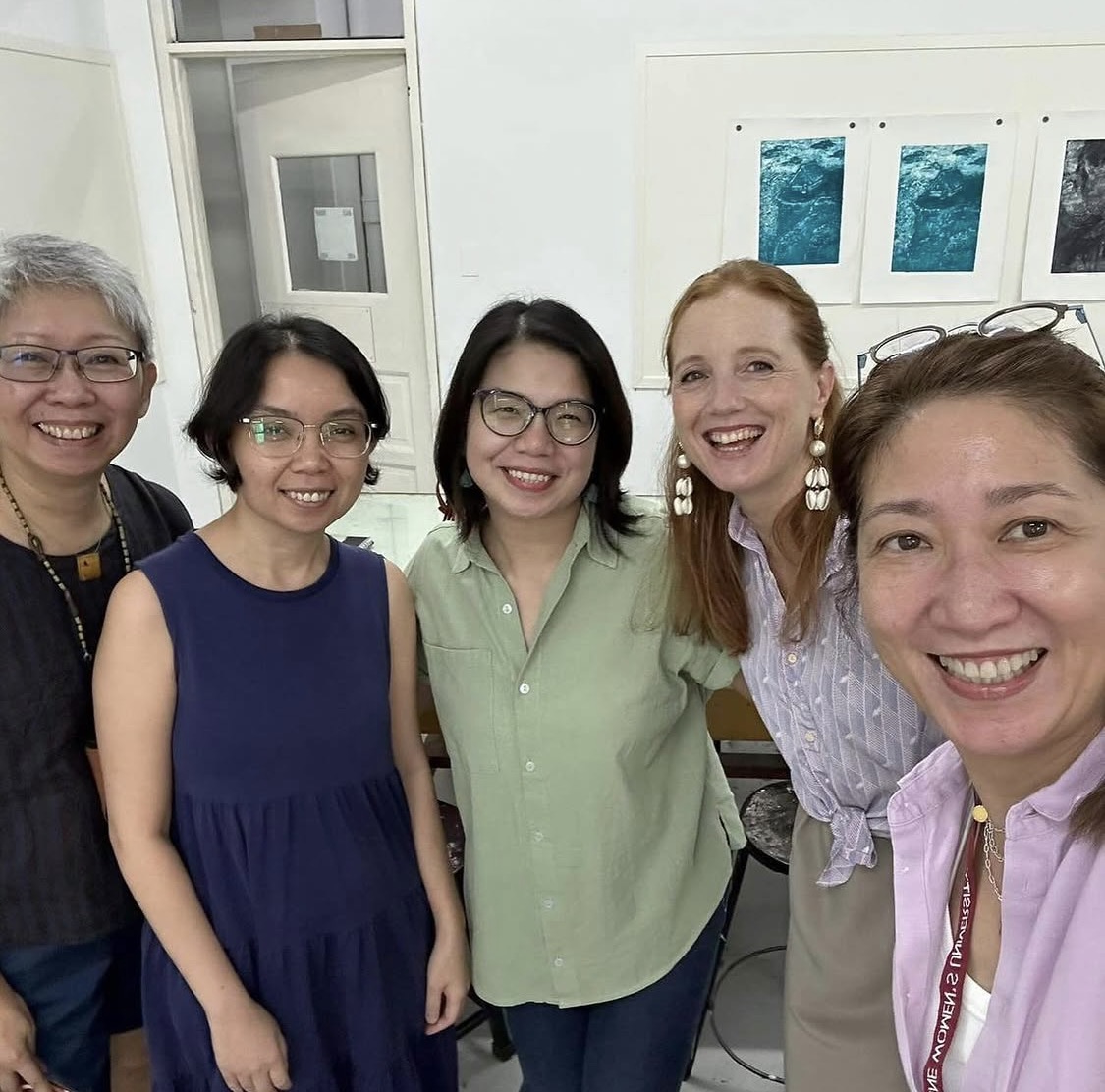
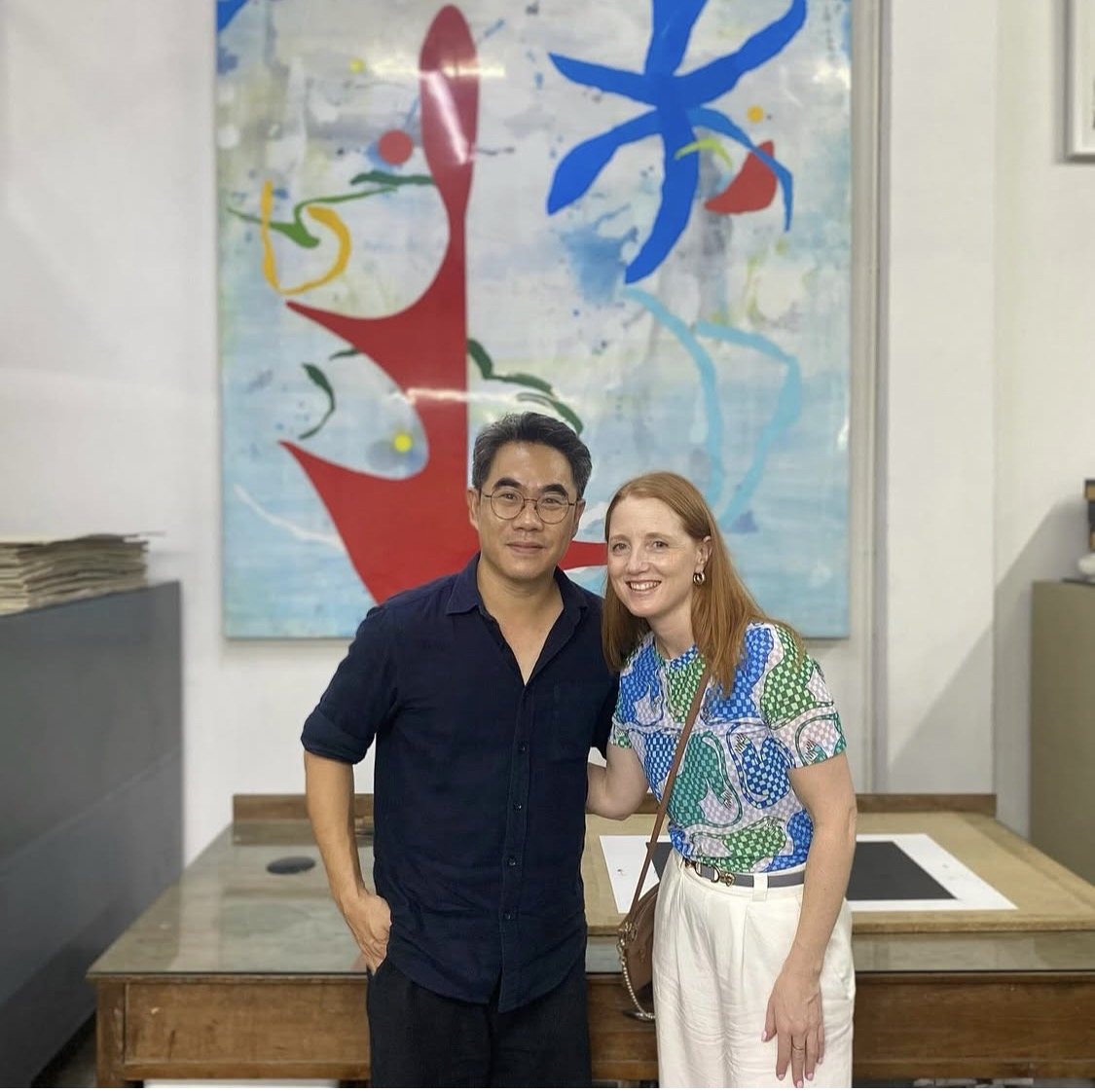
Another highlight is the relationships I’ve made over the last 5 years. I have been honoured to work with many respected and talented artists and print experts who have done and are doing significant work to promote contemporary printmaking in their communities. Thanks to a grant I received from the Asia NZ Foundation I was able to travel to Bali, Manila and Chiang Mai to meet artists who had set up successful printmaking and papermaking studios. I learned that a key to their success was a collaborative approach where senior, established artists supported younger artists through providing resources, equipment, ongoing mentoring and support for those artists to have successful careers and business. This trip was important in the evolution of Printopia which aims to connect artists in Aotearoa with print communities in the Asia-Pacific.
Having the opportunity to work alongside local artists I admire has been without a doubt one of the highlights of this experience. Facilitating a workshop by the legendary artist and icon Fatu Feu’u was equally thrilling and terrifying when he told me he wanted to use mini chainsaws to teach his unique approach to turning meter long macrocarpa slabs into blocks to be hand-printed.
My hopes and dreams for the future of the Festival is to continue to offer an inclusive, diverse programme of events that continue to inspire and act as a catalyst for contemporary printmaking to grow. The Printopia Charitable Trust and Advisory Board has been set up to ensure the Festival is sustainable and to develop further projects to have a direct positive impact on the print ecosystem. One such project is to establish a printmaking and papermaking facility right here in Tāmaki Makaurau, a space that will give others, like it did for me, the opportunity to develop their practice and find community.
Follow:
Listen to my interview on he Hello Print Friend Podcast helloprintfriend.com

